

Business Event Photography in Glasgow and Edinburgh: 7 Ways to Get More Value From Your Event

Business Event Photography should do more than show who was in the room. For conferences, launches, networking events and company gatherings in Glasgow and Edinburgh, the right coverage gives you images that are actually useful afterwards. That means stronger content for LinkedIn, your website, press coverage and future event promotion, not just a folder of average room shots you never look at again.
A lot of businesses put serious time and budget into an event, then treat the photography as something that just needs to be covered. That is usually where the value drops. If the images come back flat, repetitive or difficult to use, the business is left with proof the event happened, but not much else.
Good coverage should show the atmosphere, the turnout, the branding, the key people and the overall standard of the event in a way that still has value once the day is over. If you are putting on an event in Glasgow or Edinburgh, here are seven ways to get more from the photography.
1. Start with a clear brief before your business event photography begins
The first thing that should be worked out is what the images actually need to do after the event.
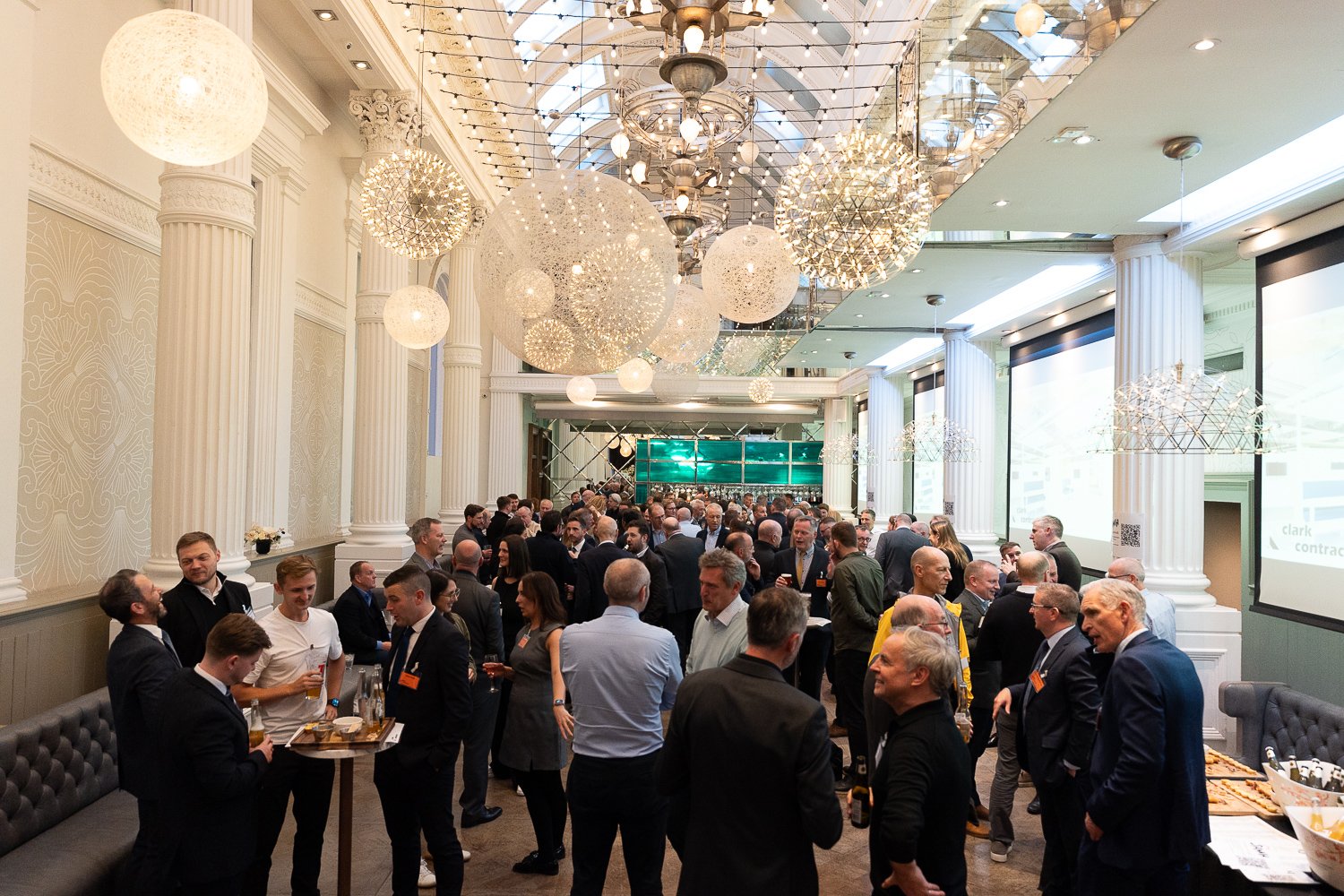
A conference may need clean keynote coverage, audience reactions and room wide shots for future marketing. A launch event may need sharper images for press, social media and sponsor follow up. A networking event may need more candid coverage that shows turnout, conversation and energy in the room. An internal company event may need photographs that are useful for recruitment, updates and company culture.
Without that clarity, the coverage can end up too broad and too vague. You might receive plenty of decent images, but not the sort of photographs that actually help the business afterwards.
The strongest event galleries are usually built around the end use. If that is clear from the start, the coverage becomes much more focused and the final set becomes much more useful.
2. Choose a venue that works well for corporate event photography in Glasgow or Edinburgh
The venue shapes the whole look of the gallery.
Some spaces are easy to work in and some are not. You might be dealing with dark corners, mixed colour temperatures, stage lighting, reflective surfaces or awkward layouts that make everything more difficult once the room fills up. That all affects the final result.
This is why it helps to understand the venue before the event starts properly. Knowing where the speakers will stand, where people are likely to gather, where the branding sits and where the stronger wide shots can be taken from makes a big difference once things are moving.
For events in Glasgow and Edinburgh, the venue can add a lot to the finished gallery when it is used properly. A strong city centre space, a polished hospitality venue or a clean conference setting can all help make the images feel more specific and less generic. The event should not look like it could have been anywhere.
3. Build a shot list that covers speakers, guests, branding and atmosphere
A good shot list is not there to make the day feel stiff. It is there to make sure the important parts are not missed.
That could include keynote speakers, branded signage, sponsor visibility, audience reactions, networking moments, room wide scenes, executive interactions, venue details, team photographs or award presentations. Every event has its own priorities, but the important parts need to be identified before the pace of the day takes over.
This matters even more with corporate event photography because there is usually more going on than people realise. One team may want speaker images for LinkedIn. Another may need branded photos for sponsors. Someone else may need natural crowd shots for future event promotion. The photography needs to cover the full shape of the event, not just the most obvious moments.
The best shot lists give the day structure while still leaving room for the more natural moments that often become the strongest images in the gallery.
4. Do not rely on keynote shots alone if you want stronger event photography
Speaker photographs matter, especially for conferences, launches and panels, but if that becomes the whole gallery, it gets repetitive very quickly.
A business does not just need photographs of someone standing on stage with a microphone. It needs the surrounding story as well. That means audience reactions, room wide scenes, arrivals, conversations, branding, details, quieter moments between talks and the overall atmosphere of the event.
Those are often the images that make the gallery feel alive rather than stage heavy. They also give the client more variety to work with afterwards. A business can only do so much with twenty similar speaker shots. It gets a lot more value from a gallery that also shows the room, the people and the event actually happening.
The best event photography always has more depth than the timetable alone.
5. Capture natural guest interaction, not just staged corporate photos

Opening Day for SuperDrug Glasgow
There is a place for posed photography at business events. Team shots, sponsor images, executive portraits and award handovers can all matter. But if the gallery leans too heavily on formal setups, it starts to lose energy very quickly.
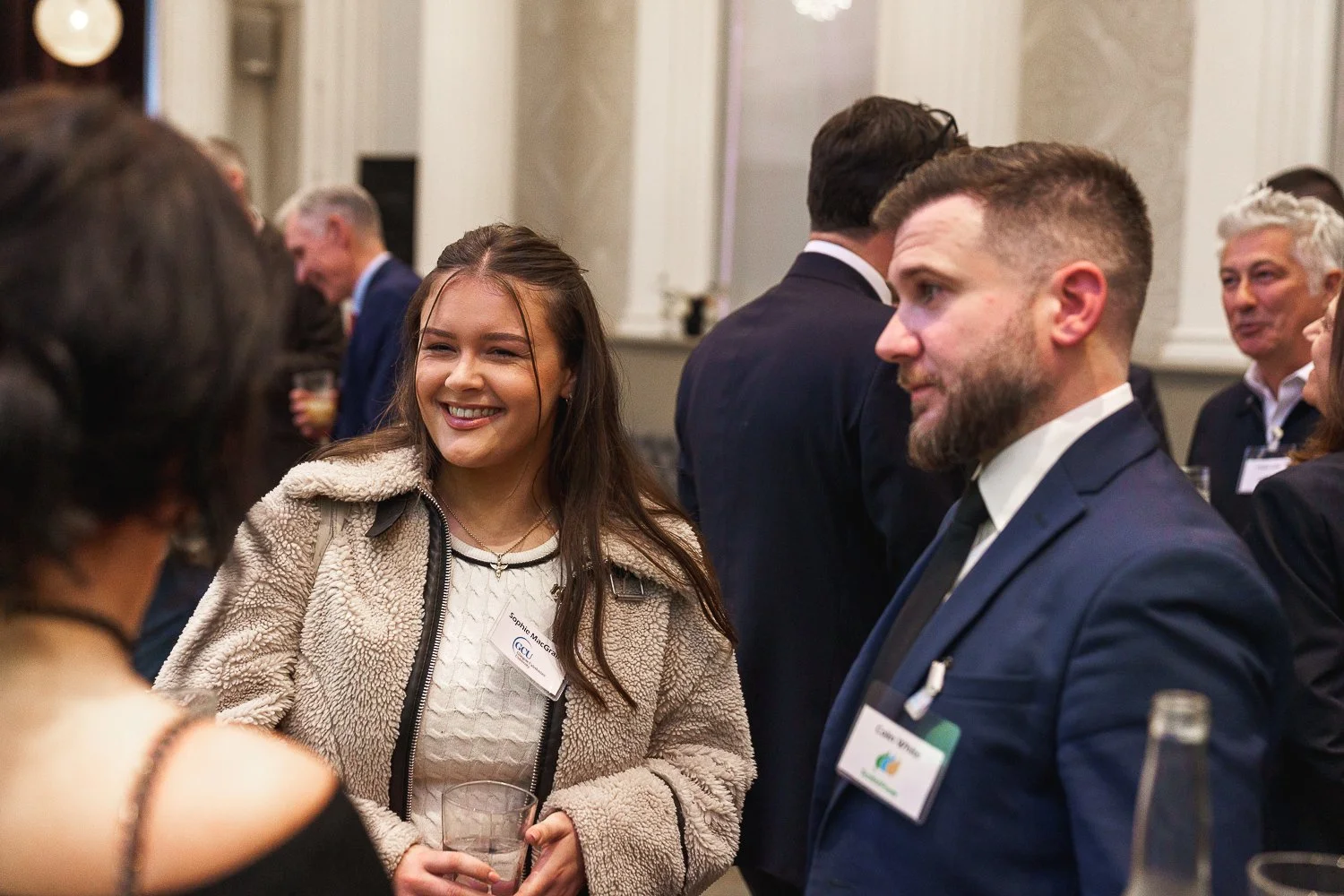
A lot of the most useful photographs from an event are the ones that feel natural. A strong audience reaction, a conversation during networking, a quick moment between colleagues before a talk starts or a genuine exchange between guests can often say much more than a line up photo ever will.
That is usually where the event starts to feel real.
Good coverage should still look polished, but it should not feel over managed. The strongest galleries find the balance between what needs a bit of direction and what simply needs to be noticed at the right time.
6. Think about how the images will be used after the event
A business event should keep working after the room has emptied.
That is one of the main reasons the photography matters so much. The images are not just for the people who were there on the day. They are also for the people who will see the event afterwards through your website, LinkedIn, internal updates, press coverage and future marketing.
A strong gallery gives the business a bank of content it can keep using. It helps future events look stronger. It gives marketing teams real images instead of stock looking filler. It helps companies show momentum, turnout and professionalism in a way that feels believable.
This is where a lot of businesses start to see the real return. The event itself may last a few hours, but the photography can keep adding value for months afterwards.
7. Make sure the final gallery is edited for marketing, PR and social use
More photographs do not automatically mean better value.
Most businesses do not need hundreds of repetitive frames that all do the same job. They need a strong, well edited set of images that cover the event properly and are easy to use afterwards. That means curation matters just as much as what is captured on the day.
The final gallery should feel clean and consistent. Skin tones should look natural. The atmosphere of the room should still feel right. The coverage should move properly between speakers, guests, details, wider scenes and branding without becoming repetitive or bloated.
A client should be able to look through the gallery and quickly find photographs that are good enough for social media, websites, press and internal use. That is where event coverage becomes genuinely valuable rather than just a folder of files.
Why business event photography matters for companies in Glasgow and Edinburgh
Businesses across Glasgow and Edinburgh are using live events in a much more strategic way now. Conferences, launches, awards nights, networking events, hospitality evenings and internal gatherings are all opportunities to build visibility and create content that has value beyond the day itself.
That is why the photography needs to do more than simply record the room. It needs to reflect the standard of the event and give the business something useful afterwards. Strong images help show the quality of the turnout, the atmosphere, the branding and the people involved in a way that feels natural and current.
For businesses in Glasgow and Edinburgh, that often means coverage that feels sharp, professional and well judged rather than overdone. The event should look like it really did on its best day.
