

Industrial Photography Mistakes Marketing Teams Do Not See
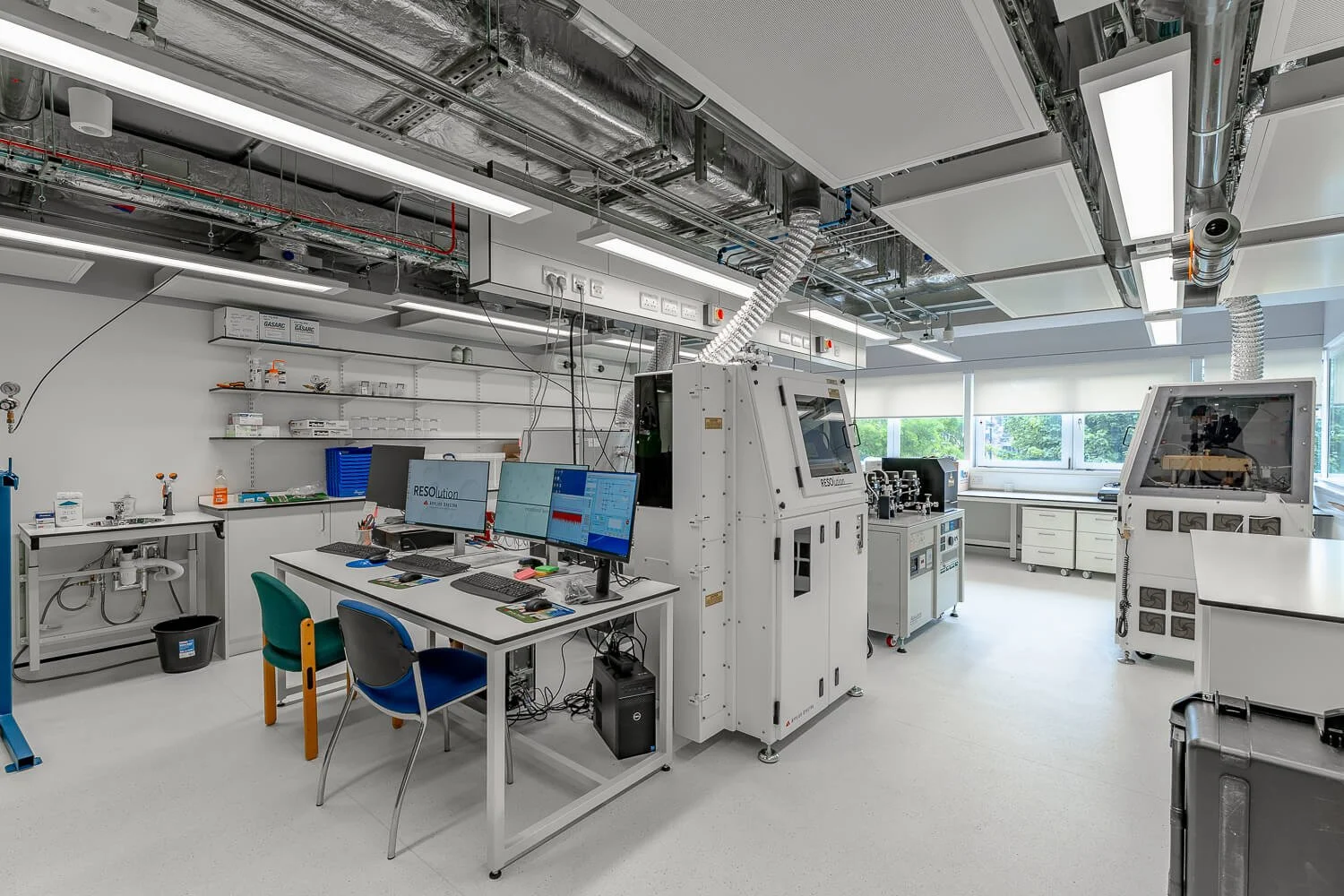
Industrial photography often looks straightforward from the outside. A site. A process. People at work. In practice, the difference between average imagery and photography that genuinely supports marketing goals usually has nothing to do with cameras or editing.
Most problems happen much earlier, long before anyone steps onto site.
Having worked both inside industrial environments and later documenting them, I have seen the same issues repeat across projects. Not because clients or photographers are careless, but because industrial photography sits at the intersection of marketing ambition and operational reality. When those two are not aligned, time is wasted and expectations quietly fall short.
This article is not a criticism. It is a guide to the mistakes marketing teams often cannot see until it is too late, and how those mistakes can be avoided with the right approach.
Treating Industrial Photography as a Deliverable Instead of a Partnership
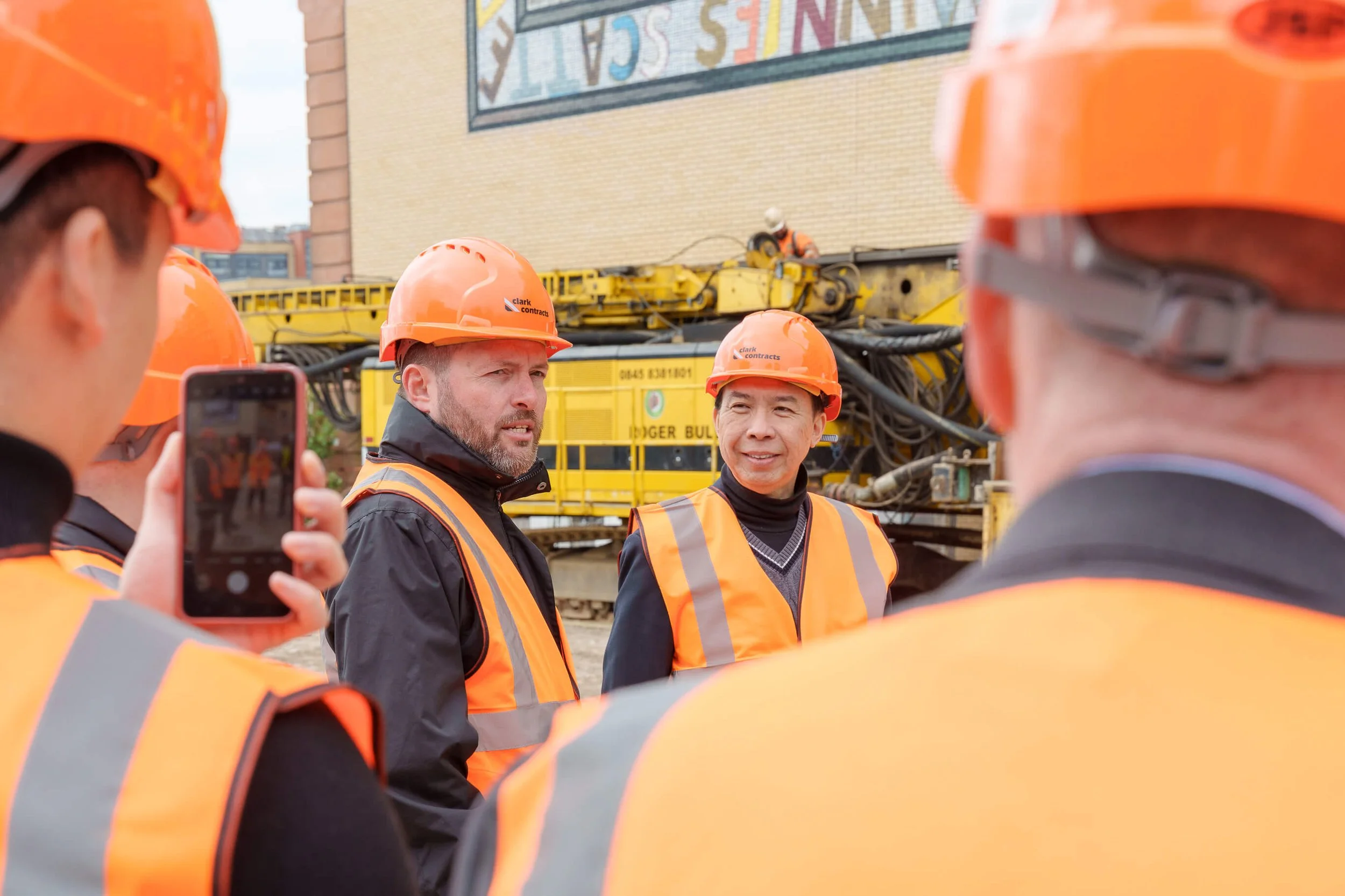
One of the most common issues is treating industrial photography as something that can simply be booked and delivered.
On live sites, photography does not sit outside operations. It intersects with safety, production schedules, access permissions, and people who are there to do a job first and pose second.
Without early collaboration between the marketing team and the photographer, the shoot becomes reactive. Images are captured where access happens to be available, rather than where they will be most valuable. This often results in competent looking imagery that does not quite reflect the business as intended.
Industrial photography works best as a partnership. The earlier that partnership begins, the more opportunity there is to plan around process rather than interrupt it.
Underestimating How Live Sites Shape What Is Possible
From a marketing perspective, it is natural to think in terms of outcomes. Brand story. Capability. Culture. Scale.
From a site perspective, priorities are very different. Safety, output, and efficiency come first.
When photographers lack experience working in these environments, they may not anticipate how restricted access, induction requirements, or production pressures will affect the shoot. This can lead to missed moments, rushed imagery, or an over reliance on wide shots that feel impersonal.
Understanding frameworks such as CDM regulations explained is not just a compliance issue. It directly affects what can be photographed, when, and how.
Focusing on Sites While Missing People and Process
Many industrial shoots overemphasise buildings and machinery while underrepresenting the people and processes that make those environments function.
From a marketing standpoint, this is a missed opportunity.
Clients respond to images that show competence in action. Engineers solving problems. Operators managing complex systems. Teams working safely and confidently within their environment.
This is where experience as a construction photographer or within industrial roles makes a real difference. Knowing where to stand, when to shoot, and how not to disrupt work allows people to be photographed naturally rather than staged.
Not Planning for How Images Will Be Used
Another common blind spot is usage.
Marketing teams often know where images need to appear, but the photographer may not be fully briefed on formats, licensing needs, or long term use. This creates problems later when images cannot legally or practically be used as intended.
Clarifying usage rights of images when they are handed over at the outset avoids frustration and ensures the photography supports campaigns beyond its initial release.
Overlooking How Environment Design Affects Photography
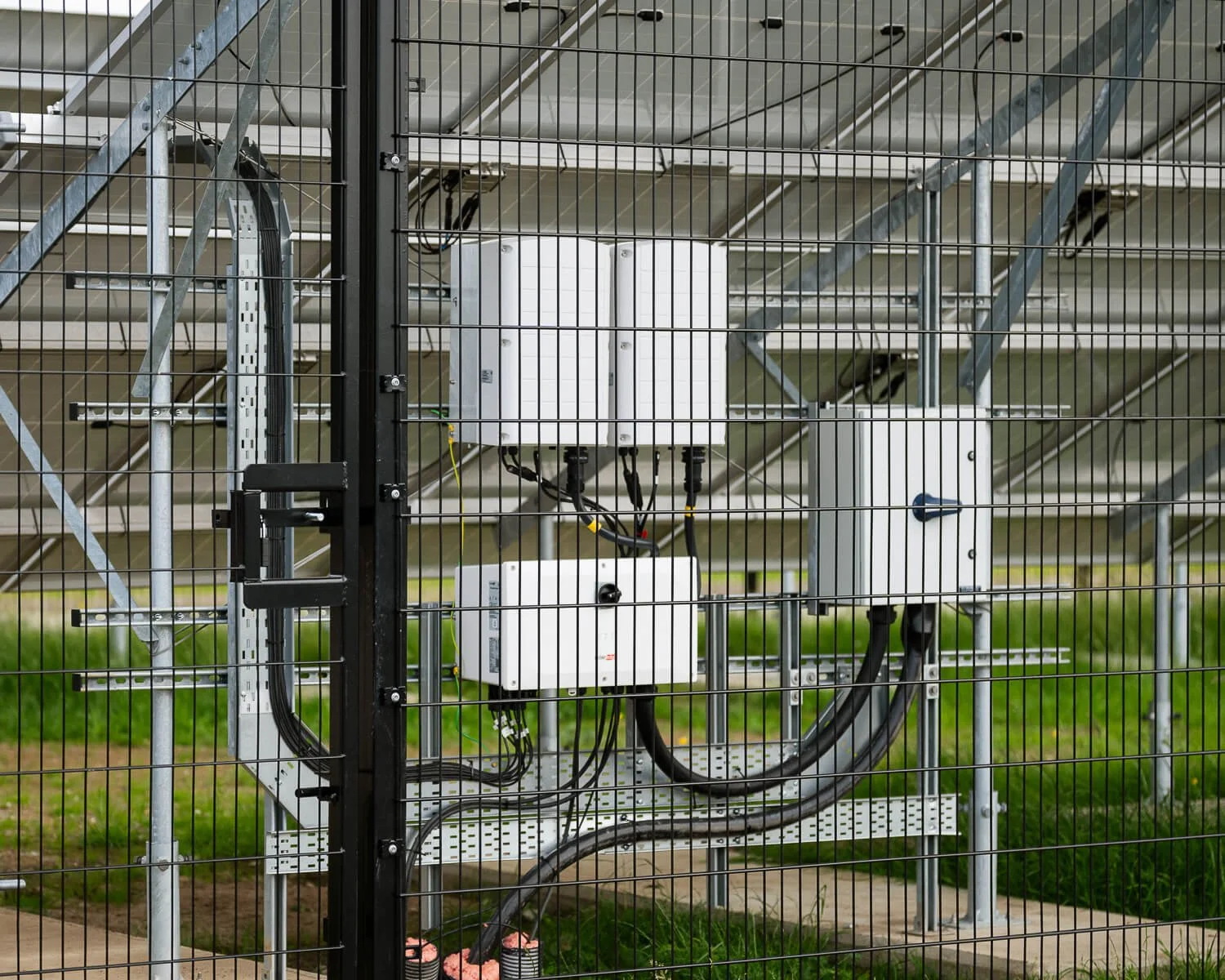
Lighting, layout, signage, and even temporary clutter all influence the final images.
Without guidance, sites are often photographed as they are on the day rather than as they could be with minimal preparation. Small adjustments can dramatically improve outcomes, but only if they are planned.
This is where experience inside industrial environments matters. Knowing which elements can be adjusted without disrupting work allows photography to elevate a space rather than simply record it.
Missing the Opportunity to Integrate Aerial and Ground Perspectives
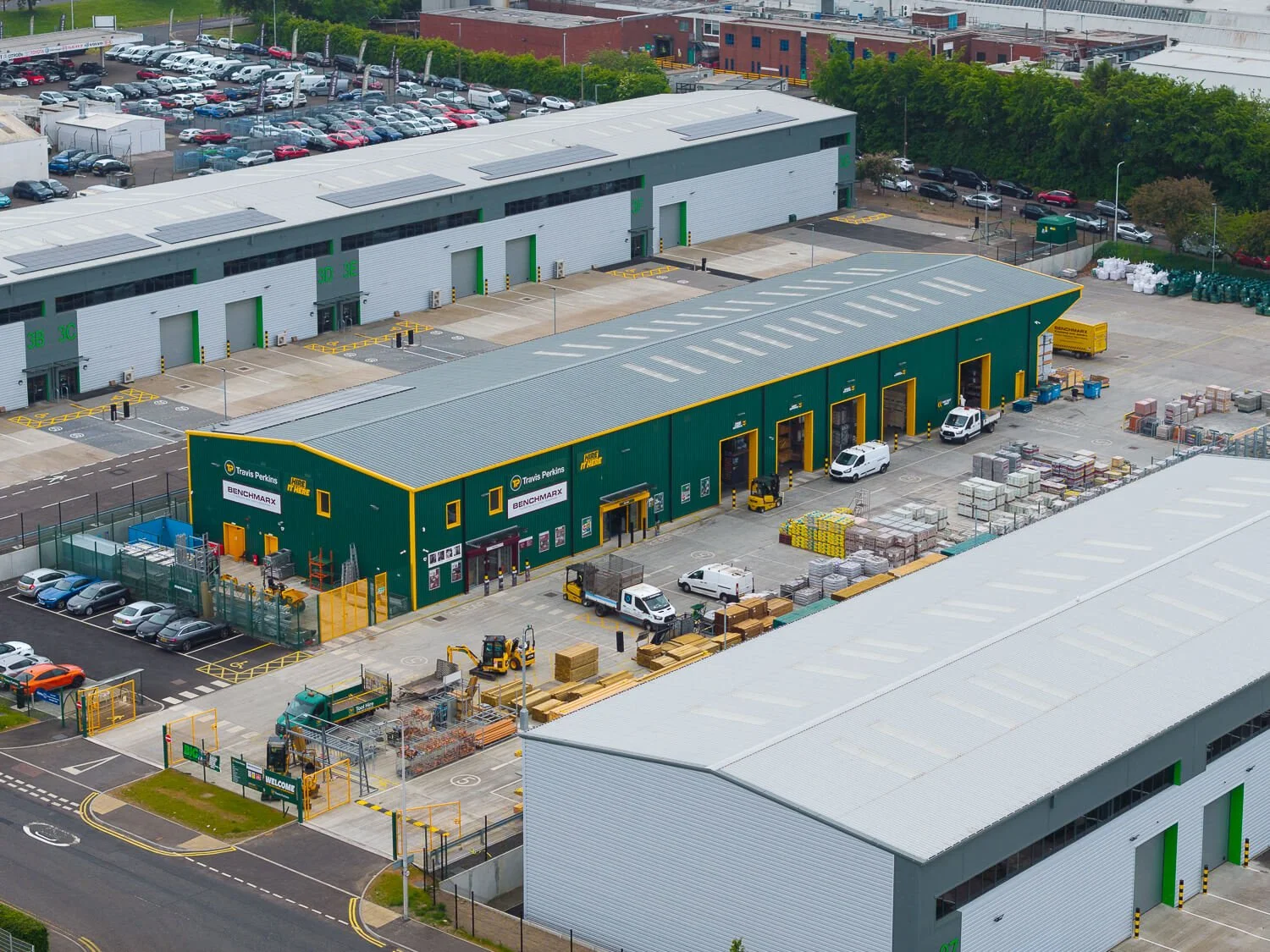
Industrial sites often benefit from context. Scale. Location. Relationship to surrounding infrastructure.
When planned correctly, aerial imagery can support ground photography and provide a fuller narrative. Understanding the cost of drone filming and when it genuinely adds value allows teams to make informed decisions rather than default assumptions.
Why Experience Changes the Outcome
Industrial photography is not about imposing a creative vision onto a site. It is about understanding how that site operates and working within it intelligently.
My approach to industrial photography in Scotland is shaped by time spent working on large scale projects long before I ever picked up a camera professionally. That experience informs how I plan, communicate, and integrate into environments where disruption is not an option.
The most successful projects are the ones where marketing intent and operational reality meet early, openly, and collaboratively.
